Worker Safety Egocentric Data Collection in North America: AI Training Data for Safety Monitoring Systems
Corpshore AI collects OSHA-compliant egocentric video data for worker safety AI training in North American industrial, construction, and warehouse environments, covering PPE detection, hazard recognition, and incident prevention.
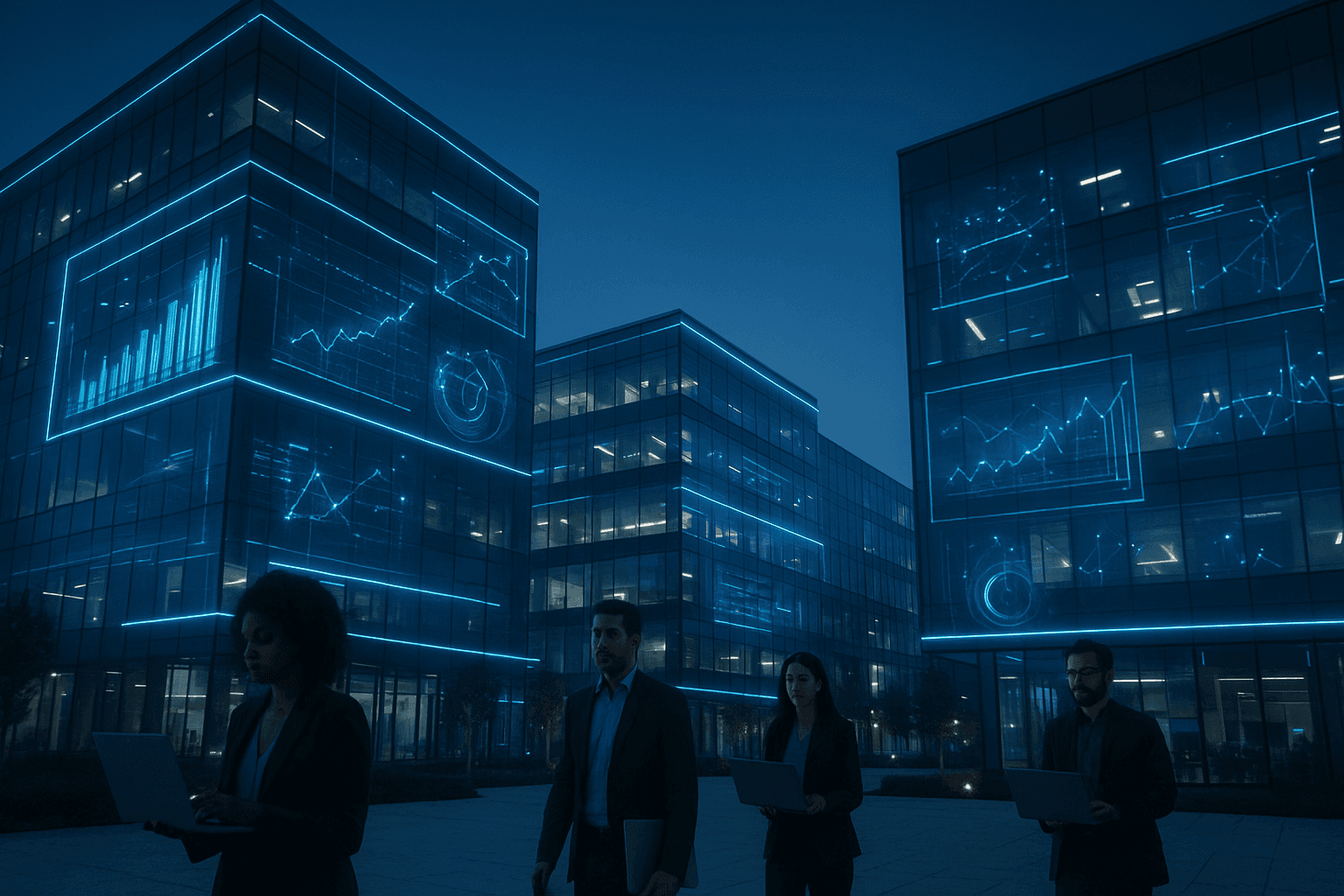
Worker safety AI and the role of egocentric training data
Worker safety AI systems, including PPE compliance monitoring, hazardous proximity detection, ergonomic risk assessment, and incident prediction models, are being deployed across North American industrial, construction, and warehouse environments. These systems need training data that captures real safety scenarios from the perspective of the worker or monitoring device, not from overhead camera angles that safety surveillance systems have traditionally used.
Egocentric data provides a ground-truth perspective that overhead footage cannot: what the worker can see, what they are about to interact with, whether their PPE is correctly worn from their own sightline, and whether they are in a position that creates ergonomic or proximity risk. Models trained on this first-person perspective learn to recognize safety conditions and risks the way a co-worker or safety supervisor would observe them.
Corpshore AI's North American worker safety programs operate under OSHA-compliant protocols in manufacturing, warehousing, construction, and mining environments. The company's industrial collection team has the safety certifications and facility access experience to conduct collections in active North American industrial environments.
PPE compliance detection training data
PPE compliance AI systems need training data that covers a wide range of PPE types, compliance states, and environmental conditions. A model that can detect hard hat compliance only under controlled lighting will underperform in real construction and manufacturing environments. A model that has seen only correctly-worn PPE will miss the many ways PPE can be worn incorrectly in real-world conditions.
Corpshore AI's PPE detection programs cover hard hats, safety vests, eye protection, hearing protection, gloves, safety footwear, and harness equipment. Both compliant and non-compliant wearing states are captured across a range of lighting conditions, camera distances, and background environments. Non-compliant states are staged with real safety professionals and documented to ensure training data is accurate.
PPE annotation includes bounding box location, PPE category label, compliance state label (worn correctly, worn incorrectly, absent), and confidence flags for ambiguous cases. Annotation guidelines define the specific compliance criteria for each PPE type based on OSHA and ANSI standards.
Hazard recognition and proximity detection training data
Hazardous proximity AI systems need training data that captures workers at varying distances from moving equipment, open holes, energized equipment, and other defined hazard sources. These scenarios are staged under controlled conditions by certified safety professionals following documented safety protocols.
Corpshore AI designs hazard recognition programs in consultation with the client's safety engineering team to ensure that the hazard scenarios captured in training data match the specific hazard types the model will be deployed to detect. Programs include both correct-behavior examples and hazard-present examples to give the model the balanced training data it needs.
Annotation for hazard recognition data includes hazard type labels, proximity distance estimates, worker posture classification, and risk level labels. For programs requiring confidence calibration, annotation includes confidence scores alongside categorical labels.
Ergonomic risk and manual handling training data
Ergonomic risk AI systems analyze worker postures and manual handling techniques to identify movements that create musculoskeletal injury risk. Training these models requires egocentric footage of real manual handling tasks performed under both correct and at-risk conditions.
Corpshore AI's ergonomic programs capture lifting, lowering, pushing, pulling, and carrying tasks across a range of load weights, frequencies, and environmental conditions. Both correct lifting technique and common at-risk postures are captured with reference to the client's ergonomic assessment framework, typically NIOSH or OSHA guidelines.
Contact Corpshore AI at https://corpshore.ai/contact to discuss worker safety egocentric data collection in North America. The team can design a program covering your specific safety application requirements within five business days of a scoping call.
Frequently asked questions
- What worker safety AI applications use egocentric training data?
- PPE compliance detection, hazardous proximity monitoring, ergonomic risk assessment, lockout-tagout verification, confined space monitoring, fatigue detection, and safety procedure compliance verification.
- How does Corpshore AI safely capture non-compliant PPE and hazard scenarios?
- Non-compliant and hazard scenarios are staged under controlled conditions by certified safety professionals following documented safety protocols. No actual workers are placed at real risk. All staged scenarios are reviewed by the client's HSE team before execution.
- What OSHA certifications do Corpshore AI's industrial collection personnel hold?
- OSHA 10-hour construction and general industry certifications for all industrial personnel. OSHA 30-hour for programs on larger commercial construction sites. Site-specific inductions at each facility.
- What PPE types does Corpshore AI cover in safety egocentric programs?
- Hard hats, safety vests, eye protection (glasses, goggles, face shields), hearing protection, gloves (various types), safety footwear, fall arrest harnesses, and respiratory protection. Both compliant and non-compliant states are captured for each PPE type.
- Can Corpshore AI collect worker safety egocentric data in North American mining environments?
- Yes. Mining programs are conducted under MSHA-compliant safety protocols. All collection personnel complete mine-specific safety inductions. Programs are available for surface and underground mining environments with appropriate equipment configurations.
- What annotation is standard for worker safety egocentric data?
- PPE presence and compliance labels, hazard type and proximity labels, posture and body position keypoints, risk level classification, activity labels, and temporal event boundaries for safety-relevant events. Annotation follows OSHA, ANSI, and NIOSH standard definitions where applicable.
Published by
Corpshore AI
https://corpshore.ai